In addition to creating mass awareness about reasonable use of both surface and underground water, emphasis should be given on integrated water resource management for reducing the pressure on groundwater table in the drought-prone area.Besides, there is no alternative to conserve the underground water alongside boosting the aquifer recharge for uplifting the living and
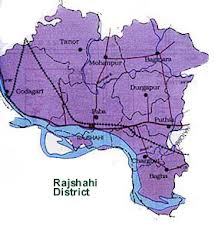
livelihood condition of the hard barind tract comprising eight upazilas in Rajshahi, Naogaon and Chapainawabgonj districts.The drought-prone area is turning into extreme drought zone owing to scarcity of water due to the adverse impact of climate change and other environmental degradations.The observations came at a daylong learning sharing workshop styled “Aquifer Recharge for the Drought Zone” held at conference hall of Deputy Commissioner in Rajshahi yesterday.NGO Forum for Public Health organized the workshop where more than 100 people representing diversified government, non-government and professional organizations concerned attended sharing views on how to overcome the water-stressed condition.NGO Forum has installed aquifer recharge wells in Nachole Upazila of Chapainawabgonj district for the first time in the region aims at recharging the groundwater table with rainwater for keeping the groundwater level static, said SMA Rashid, Executive Director of NGO Forum for Public Health in his welcome address.The sharing workshop was organized with the main thrust of creating a national synergy about the promotion of the technology.Commissioner of Rajshahi division Helaluddin Ahmed addressed the programme as chief guest while Deputy Commissioner Mezbah Uddin Chowdhury and Superintending Engineer of Bangladesh Water Development Board Sazidur Rahman Sarder spoke as special guests with Sakhawat Hossain, Superintending Engineer of DPHE, in the chair.During his keynote presentation, Prof Dr Chowdhury Sarwar Jahan, Pro-vice-chancellor of Rajshahi University, mentioned that the worldwide human civilization has been built centering the water as it is very important for sustainable living and livelihood condition. But the issue of availability of safe drinking water is being adjudged as crises globally.He said more than 60 percent crops are dependent on irrigation and 70 to 80
percent of the irrigated water are extracted from underground through above 20,000 deep tubewells and other pumps in the region especially in its vast barind tract.Prof Niamul Bari from Civil Engineering Department of RUET, Akbarul Hassan Millat, President of Rajshahi Union of Journalists, and Executive Director of ASSEDO Rabiul Alam were panel discussants of the workshop moderated by
Prof Dulal Chandra Biswas of Rajshahi University. Joseph Halder, Head (Advocacy and Information) of NGO Forum for Public Health, gave the vote of thanks.Prof Chowdhury Sarwar Jahan said the Bangladesh Government should have a plan to promote aquifer recharge for developing irrigation facilities by optimum utilization of available ground and surface water.It is believed that the groundwater table is lowering rapidly and the whole region is in an acute state of deforestation posing a serious threat to the public health and farming system.Indiscriminate groundwater extraction may accelerate deforestation trend. In this context estimation of actual natural recharge rate to the aquifer and determination of sustainable yield will assist in proper management and planning of environmentally viable abstraction schemes. Development of this area involves proper utilization of this vast land, which is possible only through ensured irrigation for agriculture. He said due attention should be given on using surface water for irrigation purposes to lessen the pressure on ground water.There should be measures for building an effective programme to establish coordination among experts, the government and non- government organisation so they can put in their best and concerted efforts to formulate a time befitting plan for proper water resource management.He placed emphasis on proper management of the existing water resources to protect the region from ecological degradation for the sake of safeguarding the ecological balance along with survival of all living beings. -BSS, Rajshahi