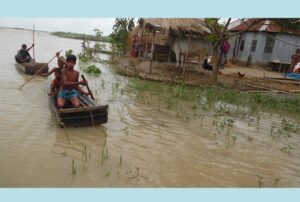
Use of solar power has been changing life-style and socioeconomic condition of thousands of isolated people living in the remote and hardly reachable char villages on the Brahmaputra basin in recent years.
By virtue of solar power units, char people are leading modern life, watching television, using fans, lighting bulbs, refrigerators and calendars and charging mobile phone sets and operating computers side by side conducting other daily jobs now.The char people are becoming aware about negative effects of child marriage, dowry, malnutrition of pregnant women and children, reasons of maternal and child mortality, adverse effect of social
superstitions etc through the television programmes.According to the solar power users, they could hardly even think about availability of electricity in their char areas though it is a reality now as they have been availing of this facility in their almost inaccessible villages.The char dwellers as well as owners of the solar power units neither suffer from low-voltage, nor get irritated due to load shedding and some of them were found crushing paddy at nights using electricity from the plants.According to official and NGO sources, over 120,000 char people are now using some 21,000 solar power units set up under assistances of different NGOs in char areas of Rangpur, Nilphamari, Kurigram, Lalmonirhat, Gaibandha and adjoining riverine districts. RDRS Bangladesh, BRAC, Grameen Shakti, RISDA Bangladesh, Pratyasha, Rahim Afroz, Srijnoni Bangladesh and others have installed solar-power units at costs between Taka 12,000 to Taka 45,000 each depending on power generation capacities mainly with the assistances of the Infrastructure Development Company Limited.“RDRS Bangladesh has set up 1,300 solar power units in char areas and other backwards villages inhabited by the ethnic minority communities so far in the region,” Agriculture and Environment Coordinator of the NGO Mamunur Rashid said. -BSS, Rangpur