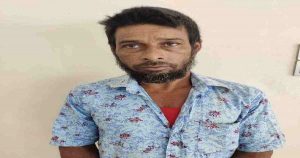
Denying the charges of crimes against humanity, including genocide,
during the Liberation War against his client, a defence counsel on
Thursday said that accused Motiur Rahman Nizami, a 1971 president of
Islami Chhatra Sangha (ICS), student wing of Jamaat-e-Islami, had
played “an absolute political role, nothing else.” Defence counsel Mizanul Islam, during his wrap up arguments on the case, told the
International Crimes Tribunal-1 that after the independence of
Bangladesh no such allegation was made against Nizami until he
contested as a Jamaat-e-Islami candidate in the 1986 national
election. Such accusation was initiated by political opponents after
Nizami’s public appearance as a promising leader of Islamic movement
through participating in the ‘86 parliamentary election, he argued,
adding that meanwhile a group of writers published books over the
Liberation War branding Nizami a war criminal with conflicting
information, terming those propaganda. Mizanul alleged that the
incumbent government by abusing its power both political and
administrative prepared the case and produced the prosecution
witnesses for testifying against the accused before the tribunal under
pressure or allurement. Expressing doubt about the preparation of
the formal charge by the investigation officer (IO) of the case, he
also alleged that the government pulled strings for the IO over the
case. To press his point, the defence counsel told the tribunal that
accused Nizami, detained in connection with another criminal case, was
later illegally shown arrested in connection with the case of crimes
against humanity during the Liberation War upon an application
submitted by the IO through the prosecution before the tribunal on the
plea of unearthing prima facie case against him. But the fact
remains that till then the IO did not seize the case-connected papers
and documents, he said. While the defence counsel put a question
mark on the creation of the case terming it void ab initio, which
means to be treated as invalid from the outset, the tribunal
interrupting him said: “After the constitution of the ICT, the cases
already filed with the different magistrate courts relating to the
crimes against humanity during the 1971 Liberation War were
transferred to the ICT along with all papers and documents for order.”
Later, the ICT by a standing order forwarded the cases to its
investigation agency (IA) for investigation, said the tribunal, adding
that then after scrutiny the IA registered the cases and started
investigation into the case. The tribunal further said that after
completing the investigation, the IA submitted formal charge to the
chief prosecutor for bringing the alleged war crimes perpetrators to
justice. “So, the ICT has no role in the process of initiating the
cases.” About the prosecution charge identifying Nizami as the
commander-in-chief of infamous Al Badr, a vigilante group of
Jamaat-e-Islanmi, during the Liberation War, responsible for killing
intellectuals in connivance with Pakistan Maj Gen Rao Forman Ali,
defence counsel Mizanul said the prosecution did not present such
evidence before the tribunal. Refuting the evidence of PW-1 Misbahur
Rahman Chowdhury, president of a faction of IOJ, also a member of ICS
in 1971, the defence counsel said the evidence of PW-1 does not carry
any credibility as he made confusing and contradictory statements one
after another. About the documents especially the reference books
written by Shahriar Kabir in support of the prosecution case, Mizanul
said if the tribunal rely upon his books there will be nothing called
justice and the judicial system will be destroyed. The defence
summing up arguments remained inconclusive. The three-member
tribunal, headed by Justice ATM Fazle Kabir, adjourned the proceedings
till Sunday (Nov 10). A former minister during the past BNP-Jamaat
rule, Nizami is being tried on charges of involvement in murders and
torture of unarmed people along with hatching conspiracies, planning,
incitement and complicity to commit genocide and crimes against
humanity during the 1971 Liberation War in collaboration with the
Pakistan occupation army. Also the president of Islami Chhatra
Sangha (ICS), the student wing of Jamaat-e-Islami in 1971, Nizami
faces 16 counts of charges based on 16 separate incidents of crimes
against humanity, in which at least 600 unarmed people were killed and
31 women raped during the Liberation War. On May 28, 2012, the
tribunal indicted the Jamaat ameer for committing the 1971 crimes
against humanity. On June 29, 2010, Nizami was arrested in front of
the National Press Club after a magistrate court in Dhaka issued
warrant of arrest in connection with a criminal case over hurting
religious sentiment of Muslims. Later, responding to a prosecution
plea, the tribunal on July 22 shown him arrested in connection with
the war crimes case. – UNB